Thinking about widening your NYC home search to Staten Island? You’re not alone. Many first-time buyers look here for more space, driveways, and a calmer pace without leaving the city. In this guide, you’ll learn the basics: housing types, where to start looking, realistic commute times, timelines and closing costs, and what to expect from inventory. Let’s dive in.
What makes Staten Island different
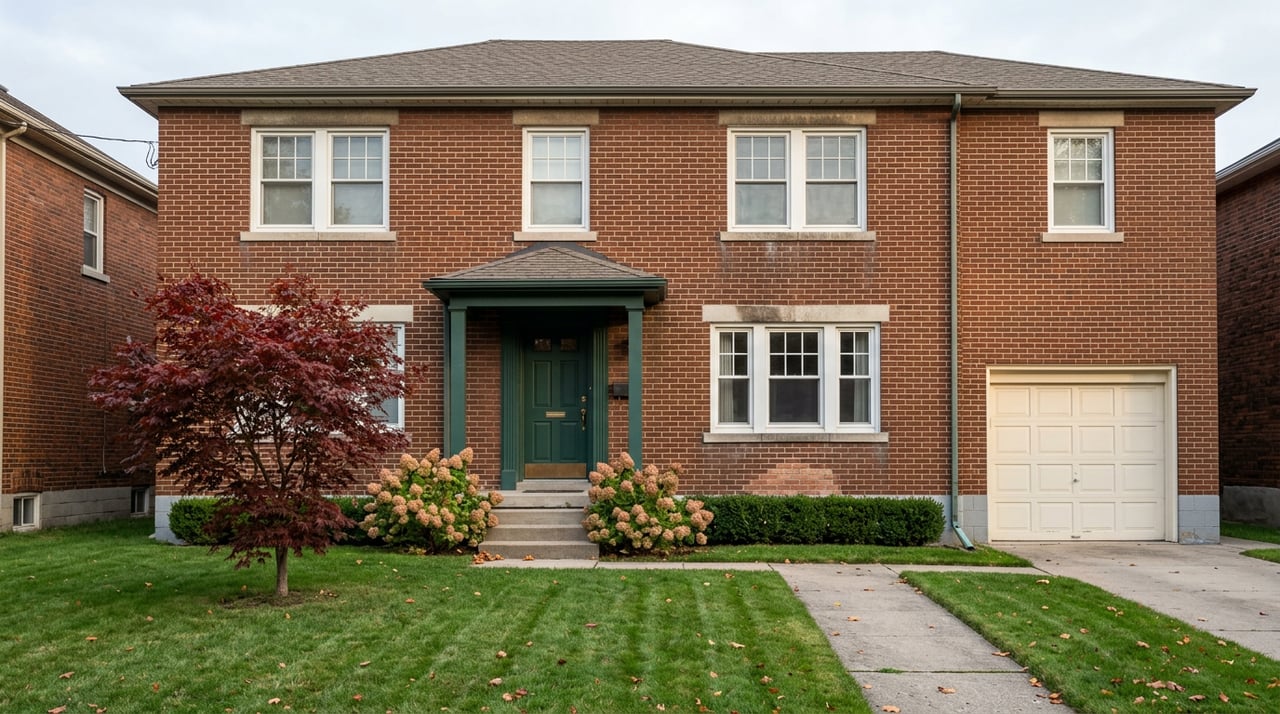
Staten Island is the city’s most suburban-feeling borough with a larger share of single-family homes and higher homeownership rates than other boroughs. You’ll find more driveways and garages, and fewer condo and co-op buildings than in Manhattan or Brooklyn. Neighborhoods vary a lot by housing type, density, and commute options, so it helps to match your lifestyle and daily travel to the right area.
Housing mix at a glance
- Detached single-family homes: The most common type, with lot sizes that grow as you move south and west. Look for driveway and garage details, plus zoning if you plan future changes.
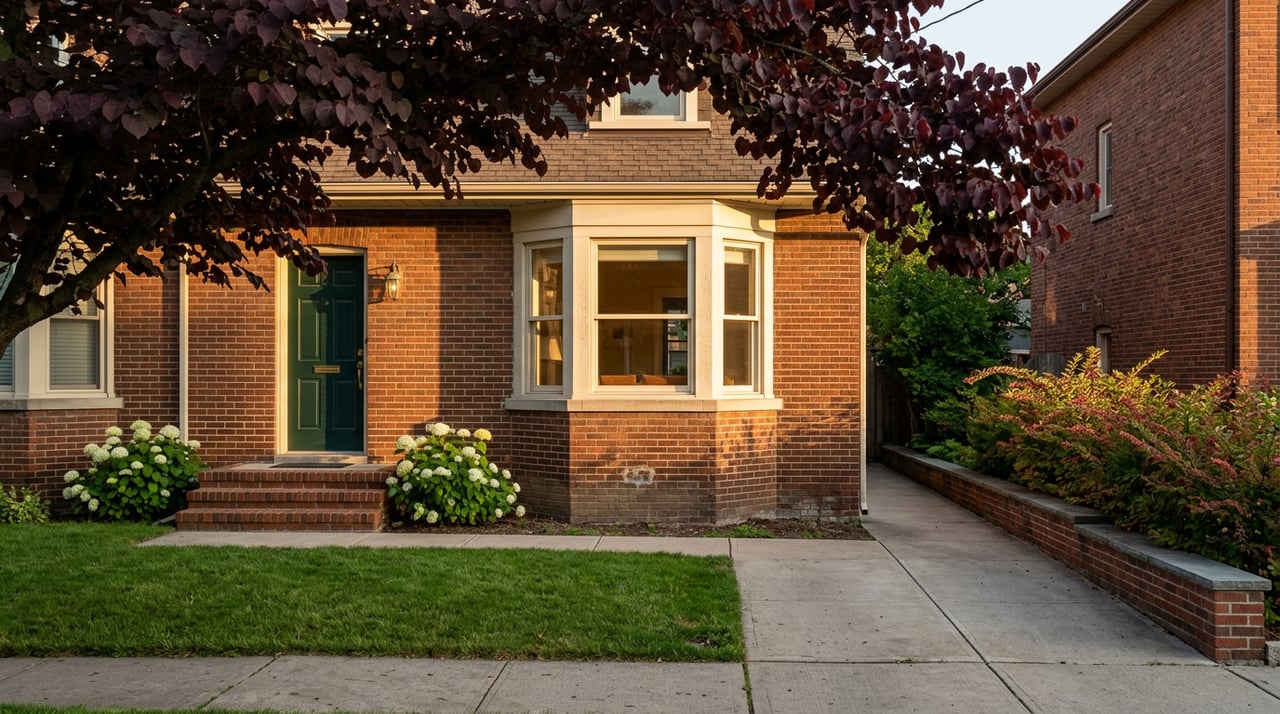
- Semi-attached homes: Common in North Shore areas and some East Shore pockets. Often appealing for value and layout; some buyers also explore rental-income potential where allowed.
- Townhouses and rowhouses: Less common overall, but you’ll see them in select pockets and newer infill projects.
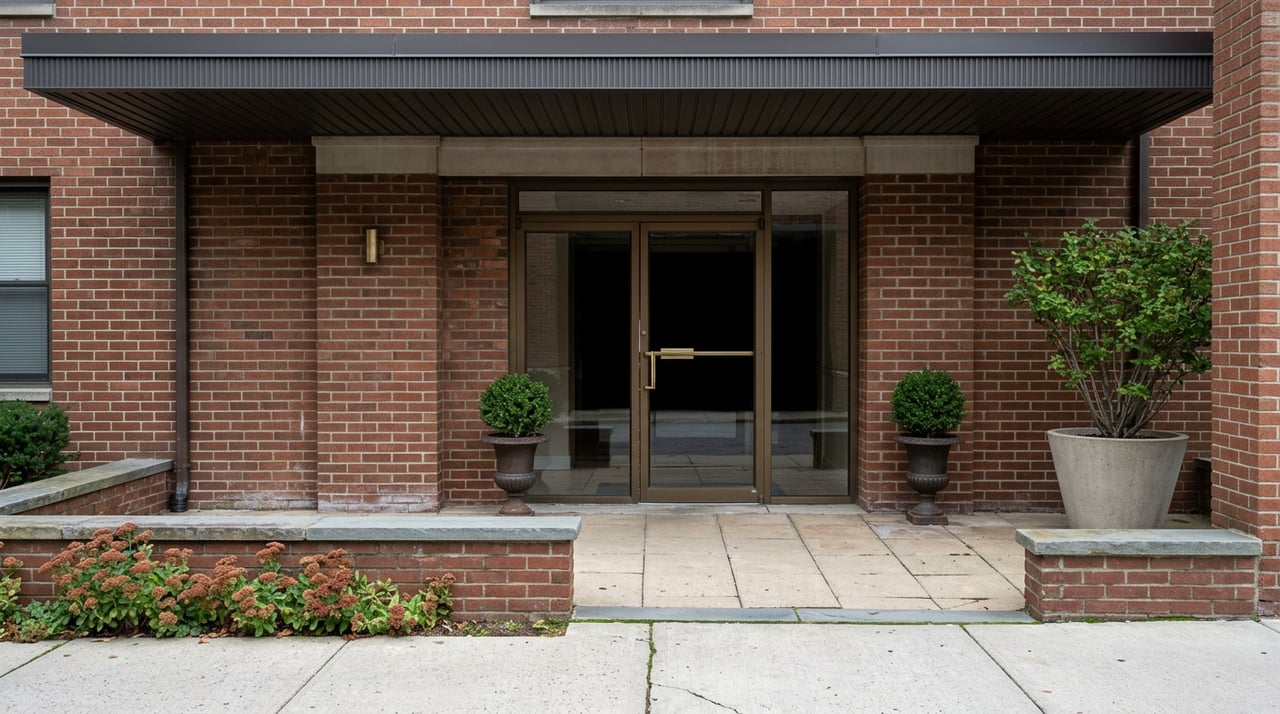
- Condos and co-ops: A smaller slice of the market compared with other boroughs. You’ll find more options near transit nodes and around St. George.
- New construction: Most active on the West Shore and parts of the South Shore. Always verify permits, flood zones, and building-code requirements.
Where to look: neighborhood primer
North Shore
St. George, Tompkinsville, Stapleton, West New Brighton, Mariners Harbor
- Housing: Earlier-era homes, semi-attached and some multi-family, plus select condo and co-op buildings near St. George.
- Commute: Best proximity to the free Staten Island Ferry at St. George. Smaller lots are common, and older homes may need updates.
East Shore
New Dorp, Oakwood, Great Kills border
- Housing: Mix of single-family and attached homes in mid price bands for the island.
- Commute: Balanced access. You can ride the Staten Island Railway north to the ferry or use express buses depending on the block.
South Shore
Tottenville, Great Kills, Annadale, Huguenot
- Housing: Larger lots and more single-family homes with a suburban feel.
- Commute: Expect longer travel to Manhattan. Many residents drive to the ferry or use express buses.
West Shore and Mid-Island
Eltingville, Huguenot outskirts, Bulls Head, Travis, Howland Hook area
- Housing: A mix of newer subdivisions, established residential pockets, and industrial corridors. Howland Hook itself is largely industrial.
- Commute: Car-forward lifestyle, with many commuting to New Jersey or Brooklyn via bridges, or combining drive-and-transit.
Price bands and how to frame your budget
Pricing shifts with interest rates and seasonality, and it varies by neighborhood and home condition. Here’s how to think about it:
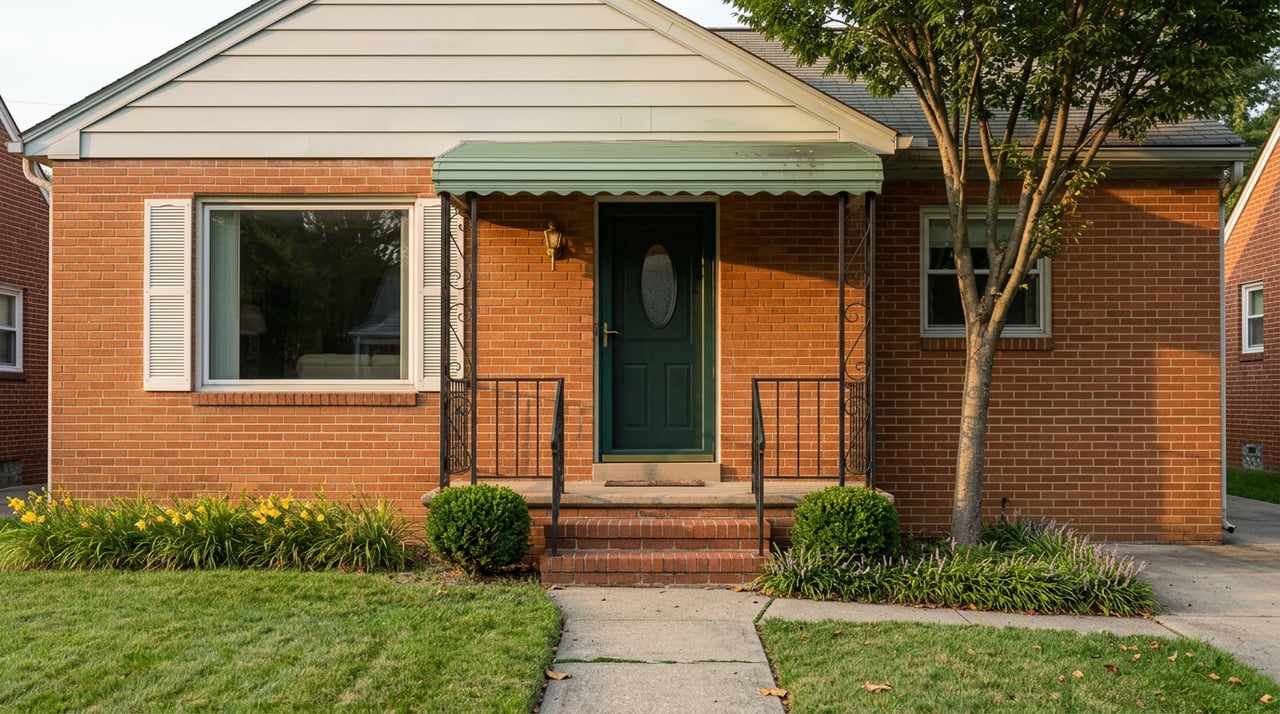
- Entry level: Smaller single-family or semi-attached homes that may need updating, typically farther from the ferry or in more car-oriented areas.
- Mid range: Well-kept single-family homes in East Shore and some North Shore pockets.
- Upper range: Renovated single-family or waterfront properties in select East and South Shore locations.
To stay current, pull the latest Staten Island median sale price and 25th and 75th percentile figures from the local Multiple Listing Service and reputable NYC market reports. Note the date, for example “prices as of [month/year], per MLS.” Prices move, so build in flexibility and confirm numbers before you set an offer strategy.
Commute options and time ranges
Your commute experience depends on your block, travel mode, and the time you leave. Use these ranges as planning tools and always test your route during rush hour.
Ferry to Lower Manhattan
- The Staten Island Ferry runs between St. George and Whitehall. The crossing takes about 25 minutes of sailing time, but your door-to-door total depends on wait times and transfers.
- If you live within walking distance of St. George, plan for roughly 40 to 70 minutes to Lower Manhattan, door to door.
Staten Island Railway and express buses
- The Staten Island Railway connects many neighborhoods to St. George. It’s great for intra-borough travel and for reaching the ferry terminal, but coverage is limited compared with the subway.
- Express buses (SIM routes) run to Manhattan from various points. Peak travel can be long, and traffic affects reliability, so pad your time.
Driving and bridges
- Major connections include the Verrazzano-Narrows Bridge to Brooklyn and the Goethals and Bayonne Bridges to New Jersey.
- Driving times vary by destination and hour. Plan conservatively for rush-hour congestion, especially if you cross a bridge and then continue by subway.
Quick commute calculator
Use this checklist to estimate a realistic door-to-door time:
- Walk or drive time from home to the ferry, railway station, or express bus stop.
- Average wait time based on the schedule at your intended travel hour.
- Ride time (ferry, bus, or train).
- Transfer time and any additional subway rides.
- Final walk from the last stop to your office.
Test the route twice, including a rainy weekday morning, to see the true range.
Timeline from offer to closing
Every deal is different, but these ranges cover most Staten Island purchases:
- Home search and offers: 4 to 12 weeks for many first-time buyers, faster for focused searches or when the right listing hits.
- Inspection: Often within 7 to 14 days after an accepted offer.
- Contract to closing with financing: About 30 to 60 days, driven by appraisal, underwriting, and title work.
- Contract to closing with cash: As little as 1 to 3 weeks if title and documents are straightforward.
Talk with your lender and your attorney before you write an offer so your contract dates fit your financing and due diligence.
Closing costs in NYC: what to expect
Buyer closing costs vary by loan type and price. A common rule of thumb is about 2% to 5% of the purchase price for buyer-paid closing costs, not including your down payment. Line items often include:
- Lender fees: origination and application.
- Appraisal and credit report.
- Title search and title insurance.
- Attorney fees. Buyers and sellers customarily have attorneys in NYC.
- Recording fees and mortgage recording tax for financed deals.
- Prepaid items: property taxes, homeowners insurance, and escrow deposits. Add HOA or condo common charges if applicable.
- Inspections: standard home inspection and any specialty inspections your attorney or inspector recommends.
On the seller side, it is common to pay the real property transfer tax, broker commission, and seller-side attorney and closing fees. New York State and New York City have specific transfer and mortgage recording tax rules, so confirm current rates with your lender, attorney, or the relevant city and state agencies before you finalize your budget.
Inventory, competitiveness, and what to expect
- Inventory is seasonal. You often see more listings in spring, with renewed activity after winter.
- Staten Island’s mix skews toward single-family homes. Condo and co-op inventory is smaller compared with other boroughs.
- Well-priced homes near strong transit options, especially the ferry, can attract multiple offers in tighter markets. Higher-priced or unique homes may spend longer on market.
Set clear priorities early. If commute speed is essential, you may focus on North Shore areas. If you prefer larger lots and more space, your search may skew to South or West Shore. Your agent can fine-tune strategy based on current days-on-market and new-listing flow.
Practical checklist for first-time Staten Island buyers
- Confirm your pre-approval and closing-cost budget, including a repair reserve.
- Walk your commute during peak hours and test alternative routes.
- Order a thorough home inspection. For older homes, consider sewer-scope and pest inspections.
- Check FEMA flood maps and any property flood history, and get a flood insurance quote if the home is in a low-lying or waterfront area.
- Review zoning before planning additions or accessory uses.
- If considering a co-op, review board rules, maintenance fees, and financing limits.
- Ask for recent utility bills and renovation records. Review disclosures with your attorney.
Final thoughts and next steps
Buying on Staten Island is about fit: the right block, the right commute, and the right home style for your budget. With a clear plan and current data, you can move confidently, whether you target ferry-adjacent North Shore streets or larger-lot South and West Shore homes. If you’d like a customized tour and a search tailored to your commute and budget, reach out to the team at Revived Residential. We’ll help you zero in on the right neighborhoods and make a smart offer.
FAQs
What should a first-time Staten Island buyer know about housing types?
- Expect more single-family and semi-attached homes than condos or co-ops, with larger lots as you move south and west across the island.
How long is the Staten Island commute to Manhattan on average?
- From ferry-adjacent North Shore blocks, door-to-door trips to Lower Manhattan often run about 40 to 70 minutes depending on connections.
Are multiple offers common on Staten Island homes?
- They can be for well-priced homes near strong transit or in popular price bands, while higher-priced or unique homes may take longer to secure a buyer.
What buyer closing costs should I plan for in NYC?
- Plan roughly 2% to 5% of the purchase price for buyer-paid closing costs, plus your down payment and a repair reserve.
How does the West Shore, including Howland Hook, fit buyer needs?
- It is more car-oriented with mixed residential and industrial corridors, and it offers access to bridges for New Jersey commuters.
What inspections are recommended for older Staten Island homes?
- In addition to a general home inspection, consider sewer-line and pest inspections, and follow your inspector’s guidance for any specialty checks.
Do flood zones affect parts of Staten Island?
- Yes. Some coastal and low-lying areas require careful review of FEMA flood maps and may need flood insurance, so confirm details before you buy.