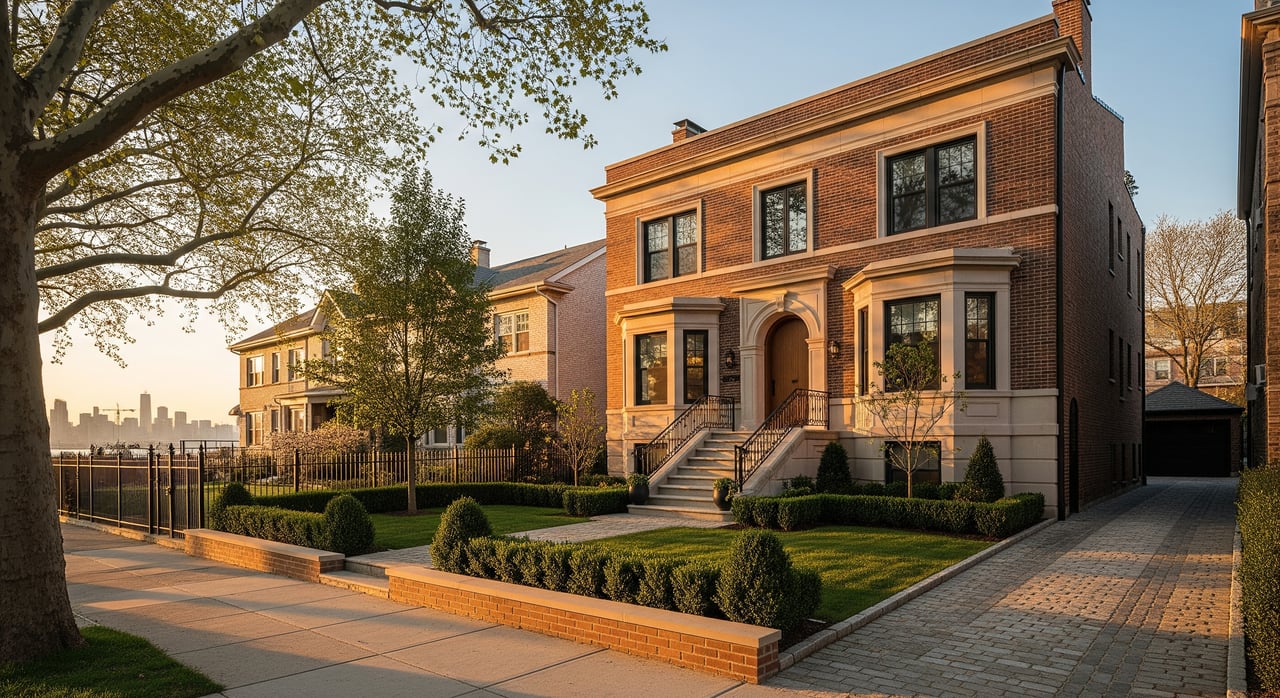
Pricing A Canarsie Single‑Family Home Right
January 15, 2026
January 15, 2026
Thinking about selling your Canarsie house but not sure where to price it? You are not alone. In a neighborhood with detached and semi-detached homes, garages, and varied renovations, pricing can feel tricky. This guide gives you a clear, step-by-step framework to set a confident list price, avoid appraisal surprises, and decide whether to renovate first or sell as-is. Let’s dive in.
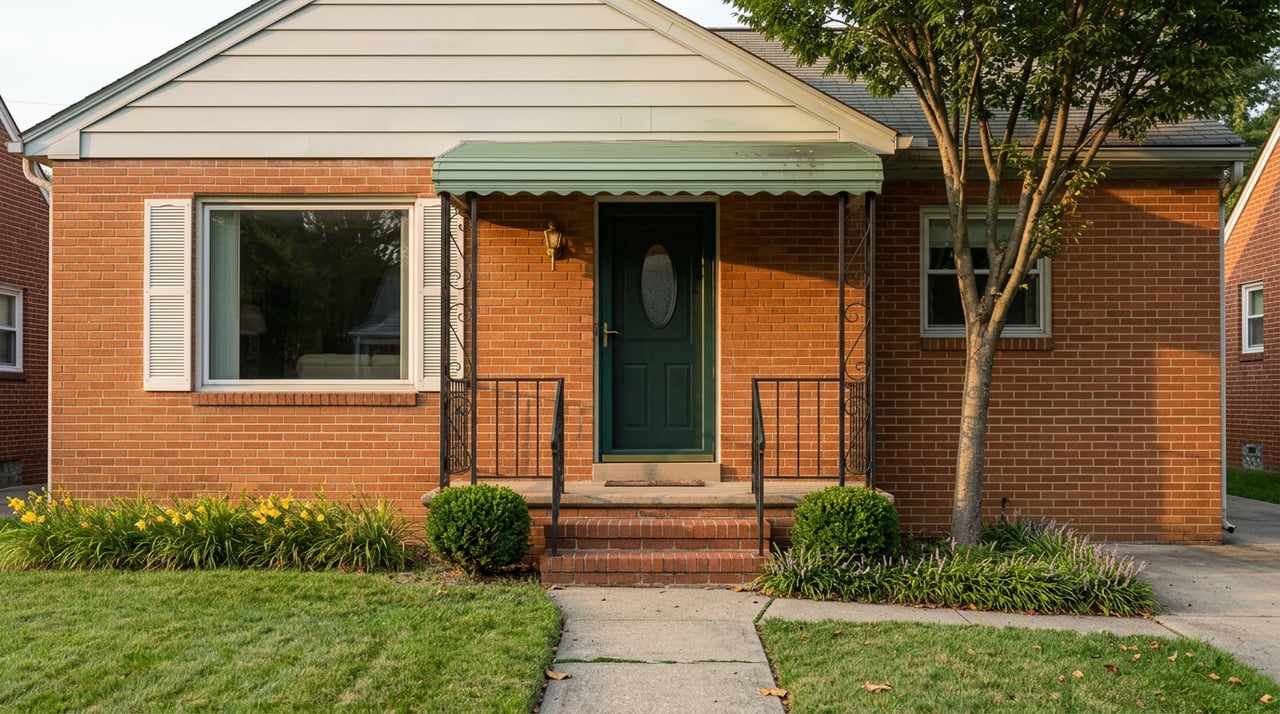
Canarsie sits in southeastern Brooklyn and is largely residential, with one- and two-family homes and small yards. Access to the L train at Rockaway Parkway and the Belt Parkway shapes buyer demand and commuting choices. Proximity to transit can reduce the premium for parking, while a private driveway or garage often boosts value in outer Brooklyn.
Zoning and lot characteristics also matter. If you are weighing future expansion or confirming lot details, review official city maps and zoning layers on the NYC Planning ZoLa portal for factual context on what is allowed. You can explore zoning and lot information using the NYC Department of City Planning’s ZoLa map.
Begin by defining who is most likely to buy your home and what you want from the sale.
Knowing your buyer and goal helps set your list price range and your tolerance for time on market.
Comparable sales are the backbone of pricing and appraisals. Use a disciplined process:
For official records, pull deed data and confirm property details before you finalize your comp set.
Once you have 3 to 6 strong comps, adjust for key differences:
The goal is to bring each comp to an apples-to-apples baseline, then bracket your home within a realistic range rather than a single number.
Buyers in Canarsie weigh condition heavily. Use a simple, consistent scale so adjustments are clear:
Move-in/Turnkey: modern kitchen and baths, updated systems, minimal deferred maintenance.
Good/Cosmetic: livable as-is with dated finishes. Paint, flooring, or light updates help.
Fair/Systems Work Needed: major finishes dated or at least one major system needing repair or replacement.
Poor/Significant Rehab: structural issues or extensive deferred maintenance.
Typical market practice is to adjust downward as you move away from turnkey. A one-tier difference often translates to a modest percentage reduction. Two tiers can mean a larger percentage change, and significant rehab can push discounts into double-digit territory. If you are weighing a remodel before listing, consult project-level costs and typical recoupment:
In outer Brooklyn, a private driveway or garage can be a meaningful premium, especially for households that drive. To quantify fairly:
Keep these as discrete line items in your adjustments so the math stays transparent.
Use your adjusted comps to build a bracket:
In periods of tight inventory, multiple offers can push contract prices above recent sales. That can introduce appraisal risk, especially if closed comps lag fast-moving demand. A clear range helps you balance speed and net proceeds.
Appraisers must support valuations with recent, nearby closed sales and market-supported adjustments. That can be challenging in micro-markets where exact matches are limited. Lenders also have standards that can trigger repairs or limit value.
Unpermitted work is a common NYC issue. Appraisers and lenders may not count unpermitted additions fully. Before listing, confirm permit history and keep documentation ready.
Practical tip: provide the appraiser a packet with your comp set, list of improvements with receipts, relevant permits, and a copy of the contract. If you want more clarity up front, consider a pre-listing appraisal or a broker pricing opinion to identify your likely appraisal ceiling.
Run the math on both paths.
Cosmetic refreshes can help speed the sale and improve first impressions. Kitchens and baths have high buyer impact, but actual cost recovery varies by scope and market. Systems like roof, boiler, or electrical panel can be essential for financing and often prevent price cuts during inspections. For permits and timelines, use city resources and plan for extra lead time.
Collect the right records before a walkthrough or comparative market analysis. This speeds pricing and reduces surprises during due diligence.
Use official city sources to verify each item:
From 2022 through 2024, NYC neighborhoods, including parts of Brooklyn, moved off the rapid 2020–2021 rebound and into a more moderate pace. In Canarsie, conditions can shift block by block. Inventory and days on market swing seasonally, and lower-inventory stretches can lead to multiple offers. Build your strategy around current closed sales, then update your comp set just before going live to reflect the most recent data.
If you want help assembling a tight comp set, weighing light renovations, or planning for appraisal risk, we are here to guide you. Reach out to schedule a neighborhood-focused walkthrough and receive a custom pricing plan. Get started with an instant estimate and a human review from the local team at Revived Residential.
Stay up to date on the latest real estate trends.


We are friendly, easy to talk to, and easy to understand. We’re not intimidating or judgmental — so clients from all walks of life feel comfortable talking to us about their real estate needs and concerns. Our messaging is warm, sincere, and familiar. We’re not money-driven.

Phone: (917) 459-7681
Email: [email protected]
Phone: (929) 379-3750
Email: [email protected]
2124 Flatbush Avenue
Brooklyn NY 11234
426 4th Avenue
Brooklyn NY 11215