
Investment Property Loans for Staten Island 2–4 Family Homes
October 16, 2025
October 16, 2025
Thinking about buying a small multifamily in Port Richmond or elsewhere on Staten Island so your tenants help cover the mortgage? You’re not alone. Two to four unit homes let you live in one unit, rent the others, and tap loan programs built for 1–4 unit properties. In this guide, you’ll see your main financing options, how lenders treat rental income, and the local rules that can affect your purchase and cash flow. Let’s dive in.
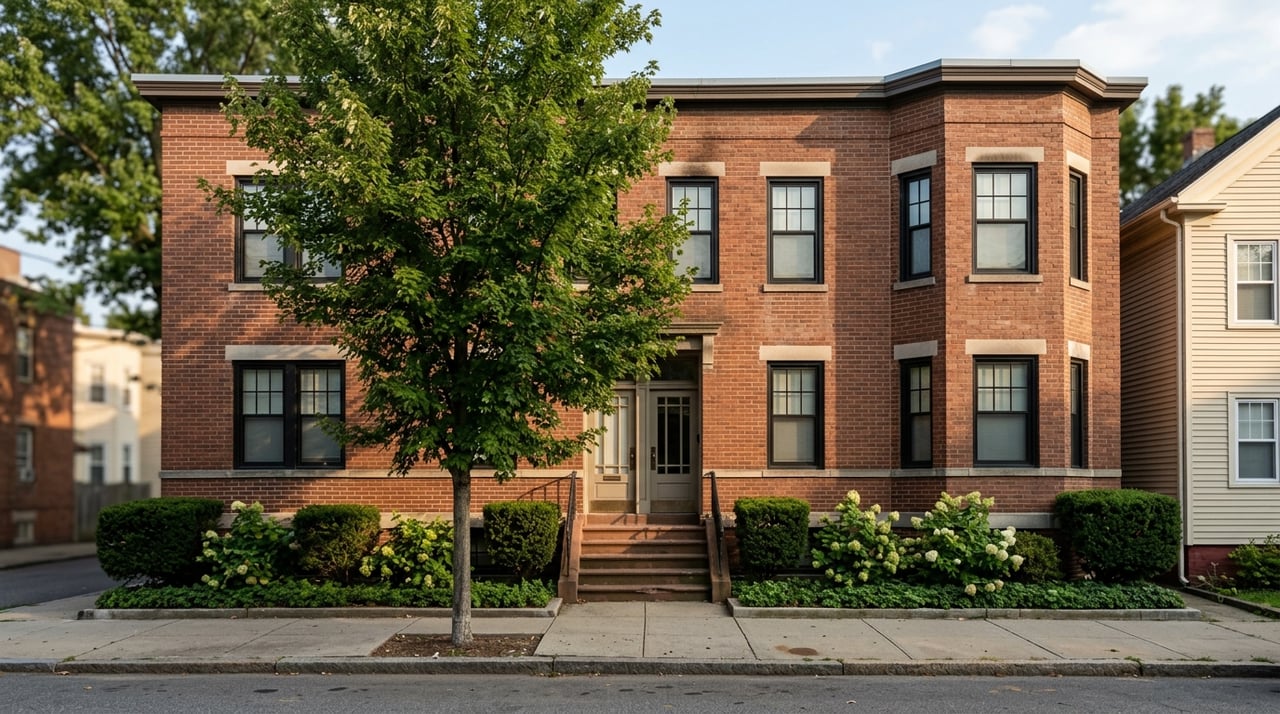
Two to four family properties are single buildings with multiple legal dwelling units under one tax lot. Many buyers use them for owner-occupied “house-hacks,” where you live in one unit and rent the others. Mortgage programs from FHA, VA, Fannie Mae, and New York State treat 1–4 unit homes as a specific category, which opens doors for financing you may not get with larger buildings. Programs like SONYMA also explicitly allow 2–4 family purchases for eligible New Yorkers.
Beyond access to programs, the rental income potential can offset monthly costs. Just remember that lenders apply vacancy or expense factors when they count rent, so your preapproval should reflect real underwriting for a 2–4 unit home.
FHA’s standard 203(b) program insures purchase loans on owner-occupied 1–4 unit homes. You must live in one unit as your primary residence. The minimum down payment is generally 3.5%, and FHA allows the use of rental income under program rules, with specific tests for some 3–4 unit purchases. Expect upfront and annual mortgage insurance. Review FHA basics and occupancy requirements in the FHA 203(b) overview.
Fannie Mae’s late-2023 update made a big difference for owner-occupants buying 2–4 unit homes. Many buyers can qualify with as little as 5% down when the loan receives automated approval, which has broadened access beyond FHA for some profiles. See industry coverage of this change in Mortgage News Daily’s summary. Conventional loans often require six months of reserves for 2–4 unit principal residences, which is cash you must have after closing. Review reserve rules in the Fannie Mae Selling Guide.
Note: HomeReady and other low down payment conventional options may be available, subject to income limits and contribution rules. Lender overlays vary, so confirm details in writing.
VA purchase loans can be used for up to four units when you live in one of them. Many VA buyers can put 0% down depending on entitlement and county limits, and VA does not require monthly PMI. Learn more in the VA purchase loan guide.
State of New York Mortgage Agency programs allow financing of 2–4 family homes under program rules, with occupancy and eligibility requirements. These can pair lower down payments with fixed-rate security for income-qualified buyers. Explore current offerings at SONYMA.
Lenders often let you use projected rental income from the other units to qualify. They typically rely on the appraiser’s market rent estimate or signed leases, then subtract a vacancy or expense factor before counting the income. FHA, conventional, and special programs handle this differently, and some 3–4 unit purchases have extra self-sufficiency tests. For a deeper look at rental income treatment, review this HUD reference.
If you buy a three or four family home in NYC, you generally must complete annual property registration with HPD. Missing registration can lead to fines and administrative headaches. Learn how to register on the HPD property registration page.
Your loan and title company will expect the legal use to match reality. If the building was altered without permits, or the unit count does not match the Certificate of Occupancy, it can delay or block financing. Ask your agent and attorney to run DOB and HPD checks early so surprises do not derail your closing.
Most 2–4 family homes are not rent stabilized, since stabilization typically covers buildings with six or more units. However, New York has expanded tenant protections in recent years, including Good Cause Eviction. Before you set lease policies, review official guidance such as the city’s rent stabilization overview and consult your attorney on what applies to your building.
Parts of Port Richmond and nearby neighborhoods sit near the harbor. If a property is in a Special Flood Hazard Area, lenders require flood insurance, which affects your monthly costs and long-term budget. Verify flood risk early using the FEMA Flood Map Service Center and request insurance quotes during your contingency period.
Buying a 2–4 family home is part financing strategy, part local compliance, and part rental planning. You deserve guidance that blends neighborhood knowledge with up-to-the-minute lending rules. If you are weighing Port Richmond or another Staten Island neighborhood, connect with a boutique team that treats your purchase like an investment from day one. Reach out to Revived Residential to talk through loan options, rental assumptions, and a clean path to closing.
Stay up to date on the latest real estate trends.



We are friendly, easy to talk to, and easy to understand. We’re not intimidating or judgmental — so clients from all walks of life feel comfortable talking to us about their real estate needs and concerns. Our messaging is warm, sincere, and familiar. We’re not money-driven.

Phone: (917) 459-7681
Email: [email protected]
Phone: (929) 379-3750
Email: [email protected]
2124 Flatbush Avenue
Brooklyn NY 11234
426 4th Avenue
Brooklyn NY 11215