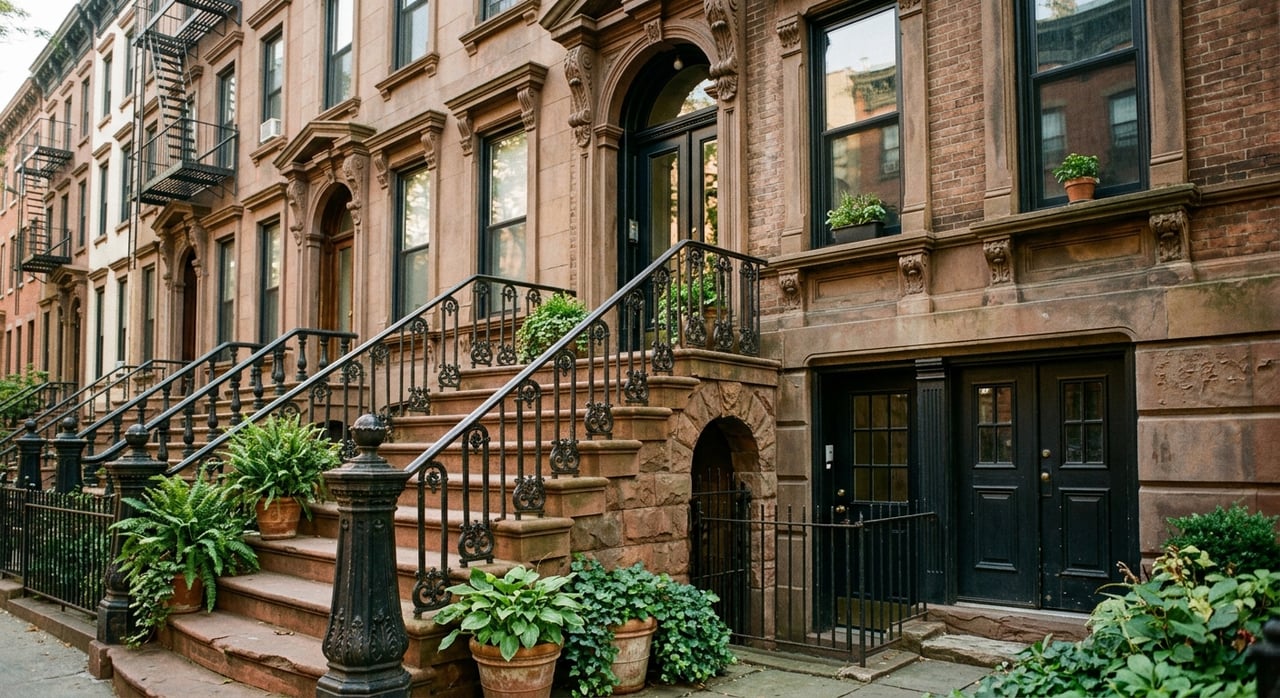
What To Know Before Buying A Carroll Gardens Townhouse
July 9, 2026
July 9, 2026
If you have your eye on a Carroll Gardens townhouse, you are probably thinking about more than just curb appeal. In this part of Brooklyn, a beautiful façade can come with important questions about legal use, lower-level layouts, landmark rules, and financing. The good news is that with the right checks upfront, you can move forward with much more confidence. Let’s dive in.
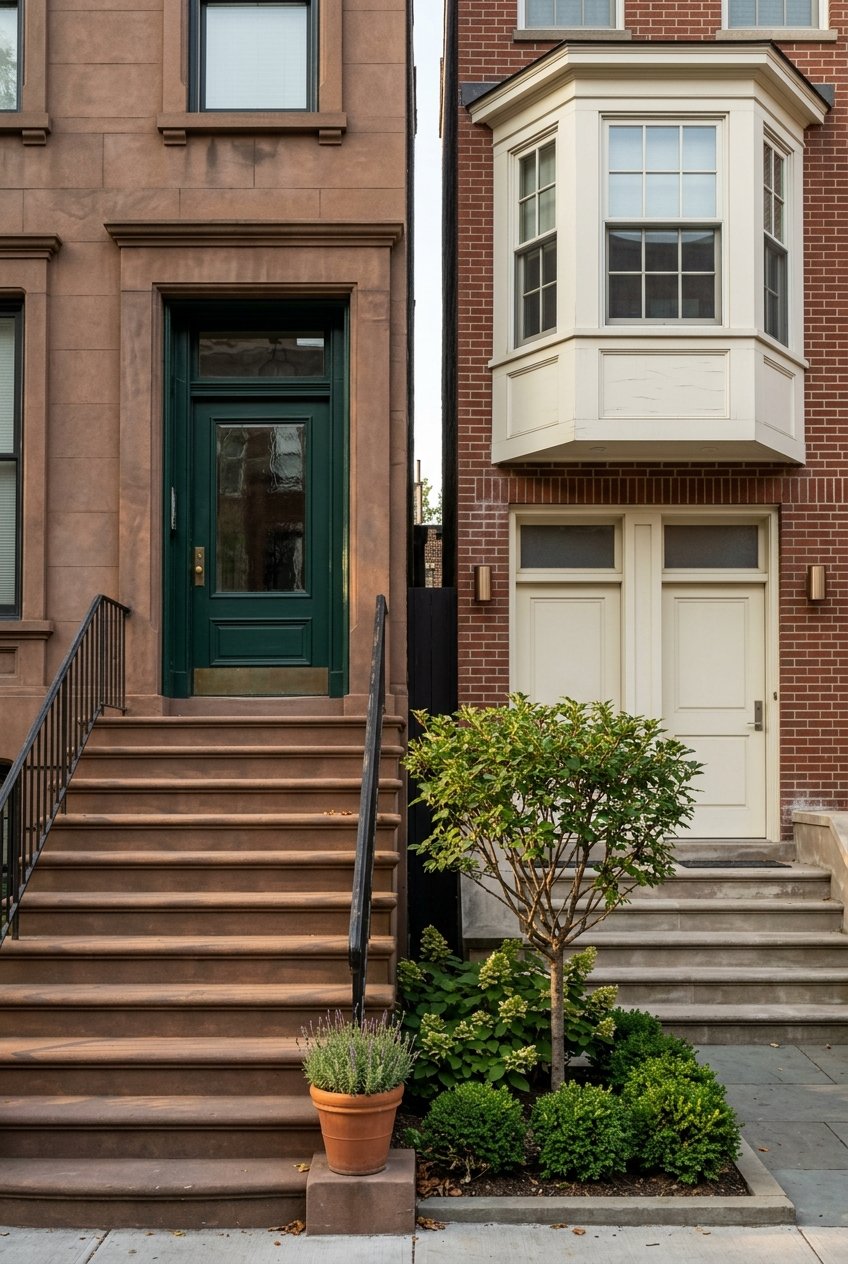
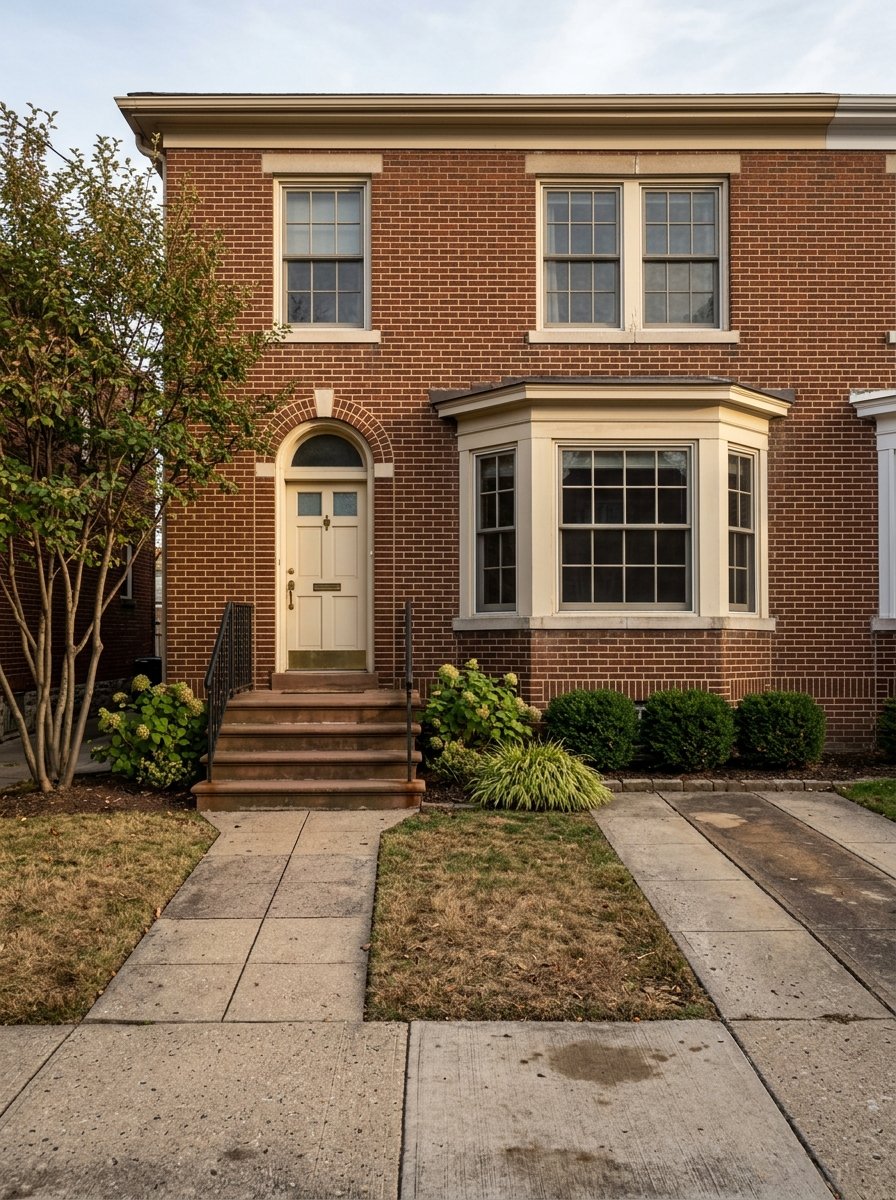
Carroll Gardens is not a generic townhouse market. The neighborhood’s original historic district was developed largely from the late 1860s through the early 1880s as rows of two- and three-story brownstones and rowhouses set behind front gardens.
That historic pattern still shapes what you buy today. Many homes are attached, relatively compact, and visually consistent, with stoops and rooflines that relate to the slope of the street. In practical terms, that means the details matter, both inside and out.
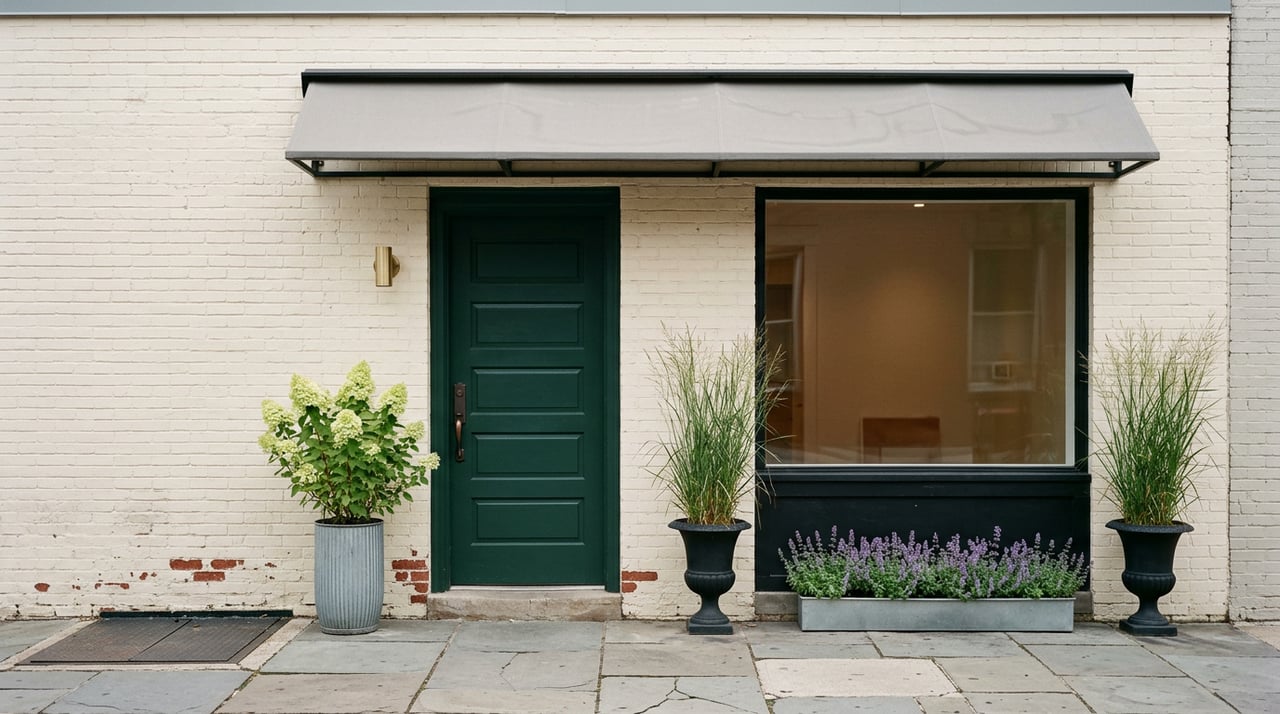
Some buildings in the district, especially along parts of Smith Street, historically included ground-floor stores with living quarters above. If you are looking at a property that feels like a classic townhouse, it is still smart to confirm whether it is strictly residential or mixed-use before you make assumptions about layout or use.
One of the most important steps in buying a Carroll Gardens townhouse is verifying how the building is legally allowed to be used. In New York City, that usually means reviewing the Certificate of Occupancy, often called the CO.
A CO states a building’s legal use and permitted occupancy. If a building predates 1938 and never needed a CO, the Department of Buildings may issue a Letter of No Objection instead. For many older Carroll Gardens homes, that older paper trail can be just as important as a modern listing sheet.
This matters most when a townhouse includes a finished garden level, basement, or cellar. A space may look polished and functional, but finishes alone do not confirm that it is legal living space. Before you treat a lower level as a bedroom suite, rental unit, home office setup, or extra living area, you need to confirm what the records actually allow.
Lower levels are often where townhouse buyers run into surprises. In a late-19th-century home, a finished basement or garden level may have been altered over time, and not every change automatically matches the legal record.
Here are a few smart questions to ask early:
These questions can shape everything from your renovation plans to your financing options. They can also affect how much usable space you can count on after closing.
Because much of Carroll Gardens’ townhouse stock predates 1978, lead-paint disclosure is another key part of due diligence. Federal disclosure rules generally apply to most housing built before 1978.
Sellers are required to disclose known lead information and provide available records. Buyers also get a 10-day window to inspect for lead hazards. If you plan to renovate after purchase, lead-safe work practices may also apply to repair, renovation, and painting work in these older homes.
This is one more reason to think of a townhouse purchase as both a lifestyle decision and a building decision. The charm is real, but so is the need for careful review.
Many buyers look at a Carroll Gardens townhouse and immediately start planning updates. That may include opening up interiors, reworking a garden level, replacing windows, updating systems, or refreshing the exterior.
In New York City, most construction requires Department of Buildings approval and permits. Some cosmetic work does not require a DOB permit, including painting, plastering, installing cabinets, resurfacing floors, or certain non-structural roof repairs.
Other work is more regulated. Plumbing or gas-piping changes must be handled by a Licensed Master Plumber, and broader alterations may require plans filed by a New York State licensed design professional.
In Carroll Gardens, there is often a second layer to think about. If the property is in a historic district, the Landmarks Preservation Commission may need to review exterior changes even when the DOB does not require a permit.
For townhouse buyers, landmark review is not just about major additions. LPC review can apply to changes involving front and rear facades, windows, rooflines, stoops, cornices, exterior mechanical elements, and some work that affects how the building looks from the outside.
That means even a project that seems straightforward can become approval-heavy if it touches visible exterior elements. If you are buying with renovation plans, it is wise to review permit history, prior LPC approvals, and any open applications or violations before closing.
This can save you time, money, and frustration later. It also helps you build a more realistic post-closing timeline.
One of the biggest surprises for townhouse buyers is that financing can change significantly based on whether the property is a one-family home or a 2- to 4-unit building. In Carroll Gardens, where layout and occupancy records can vary, this distinction matters a lot.
For a principal-residence purchase, Fannie Mae’s current eligibility matrix allows up to 95% loan-to-value for a 2- to 4-unit property. By comparison, 97% loan-to-value options are limited to one-unit principal residences.
If you are buying an investment property, the maximum loan-to-value for 2- to 4-unit homes is lower at 75%. So if you are counting on a low-down-payment path, the legal unit count may change the math quickly.
Multi-unit financing often comes with stricter reserve requirements too. Fannie Mae says Desktop Underwriter requires six months of reserves for a two- to four-unit principal-residence transaction, and additional reserves may apply if you already own other financed properties.
This is one reason buyers sometimes discover they need more cash than expected, even when the purchase price itself is within reach. It is not only about down payment. It is also about the reserves required by the loan program.
There is also an upside to multi-unit financing. For a 2- to 4-unit owner-occupied property, rental income from the other units may be used in qualifying if the loan program allows it and the income is documented properly.
For some buyers, that can open the door to a purchase that would otherwise feel out of range. If you are planning to live in one unit and collect rent from others, this is an important conversation to have early with your lender.
When you buy a Carroll Gardens townhouse, the most important questions usually go beyond finishes and staging. You want to know exactly what you are buying, what you can legally do with it, and how that affects your financing and future plans.
A smart pre-offer or pre-contract review often includes:
In a neighborhood like Carroll Gardens, those checks are not extra paperwork for the sake of paperwork. They are part of buying responsibly in a historic rowhouse market where details can have real financial and practical consequences.
Townhouse purchases in Brooklyn are rarely one-size-fits-all. In Carroll Gardens, you are often balancing historic character, city records, renovation goals, and financing rules all at once.
That is why local guidance can make such a difference. A buyer-focused, neighborhood-first approach helps you ask the right questions before a deal moves too far down the road. It also helps you separate cosmetic appeal from the issues that really shape value and usability.
If you are considering a Carroll Gardens townhouse and want practical guidance grounded in Brooklyn experience, connect with Revived Residential. Their team can help you evaluate the property, the paperwork, and the bigger picture before you buy.
Stay up to date on the latest real estate trends.
We are friendly, easy to talk to, and easy to understand. We’re not intimidating or judgmental — so clients from all walks of life feel comfortable talking to us about their real estate needs and concerns. Our messaging is warm, sincere, and familiar. We’re not money-driven.

Phone: (917) 459-7681
Email: [email protected]
Phone: (929) 379-3750
Email: [email protected]
2124 Flatbush Avenue
Brooklyn NY 11234
426 4th Avenue
Brooklyn NY 11215