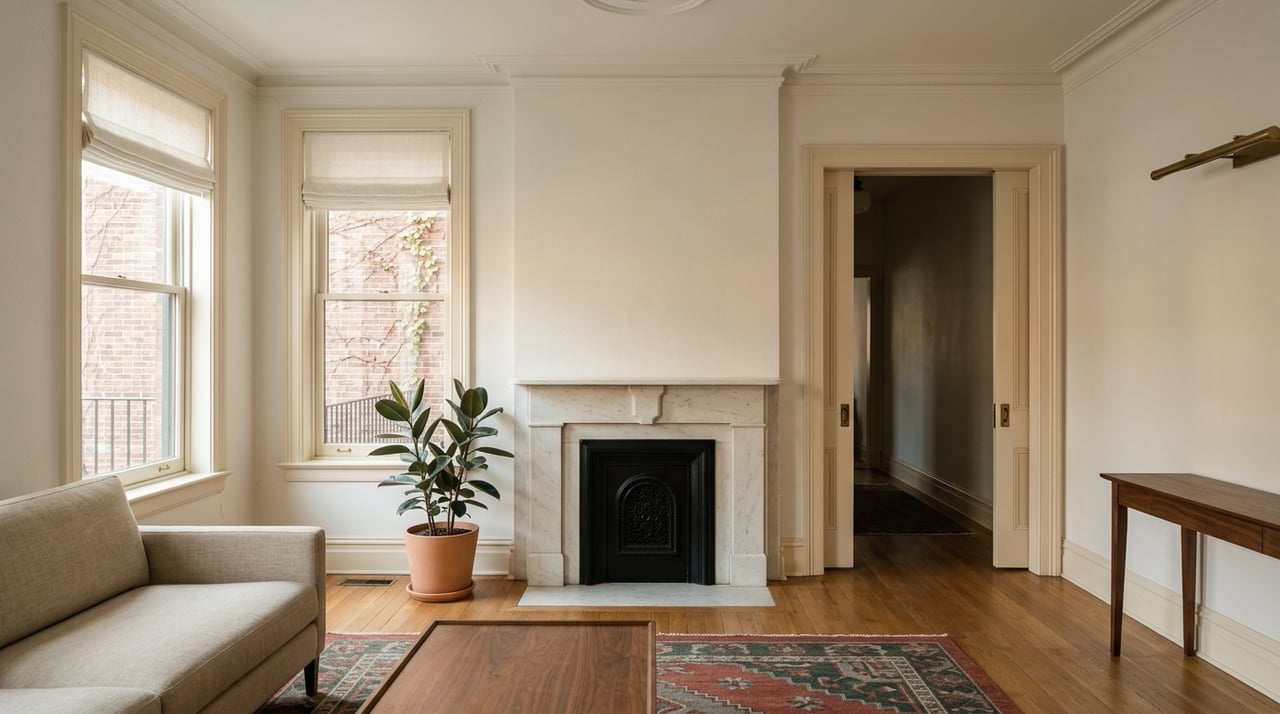
Selling A Park Slope Brownstone In A Competitive Market
June 11, 2026
June 11, 2026
If you are selling a Park Slope brownstone, you are not just putting a house on the market. You are presenting a piece of Brooklyn architecture in a neighborhood where buyers notice every detail, from original millwork to the condition of the roof. In a market that is active but selective, the right prep, pricing, and presentation can shape both your timeline and your outcome. Let’s dive in.
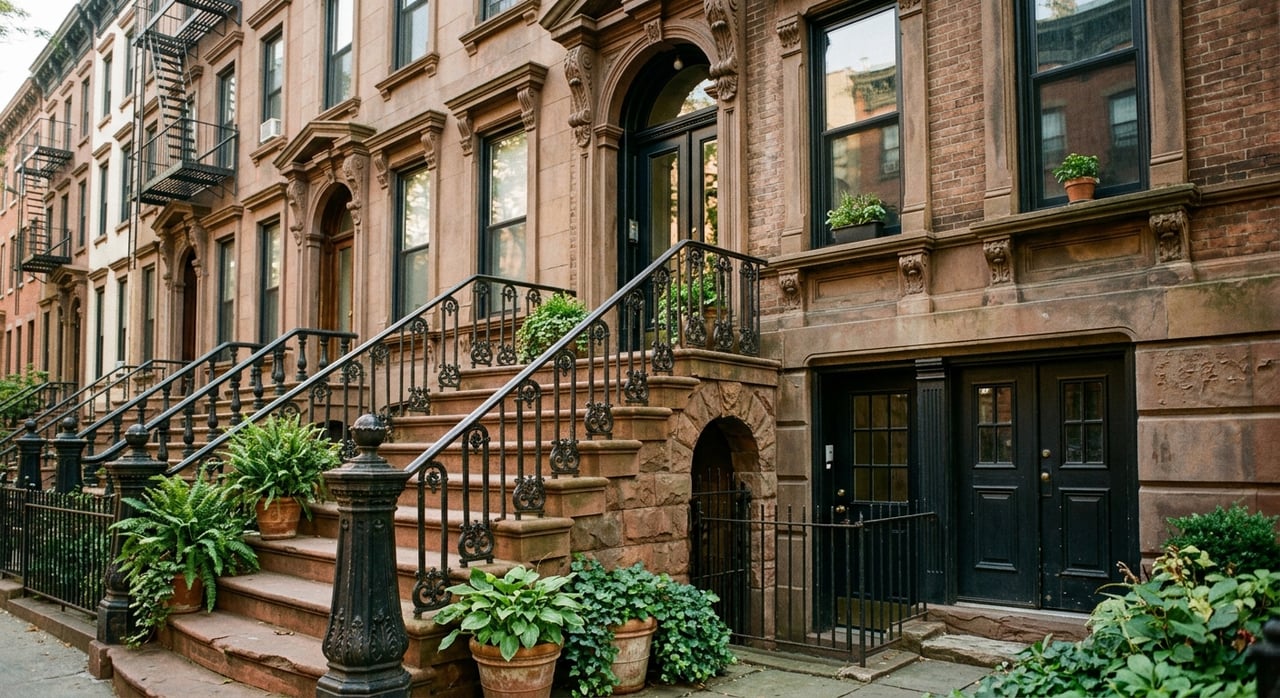
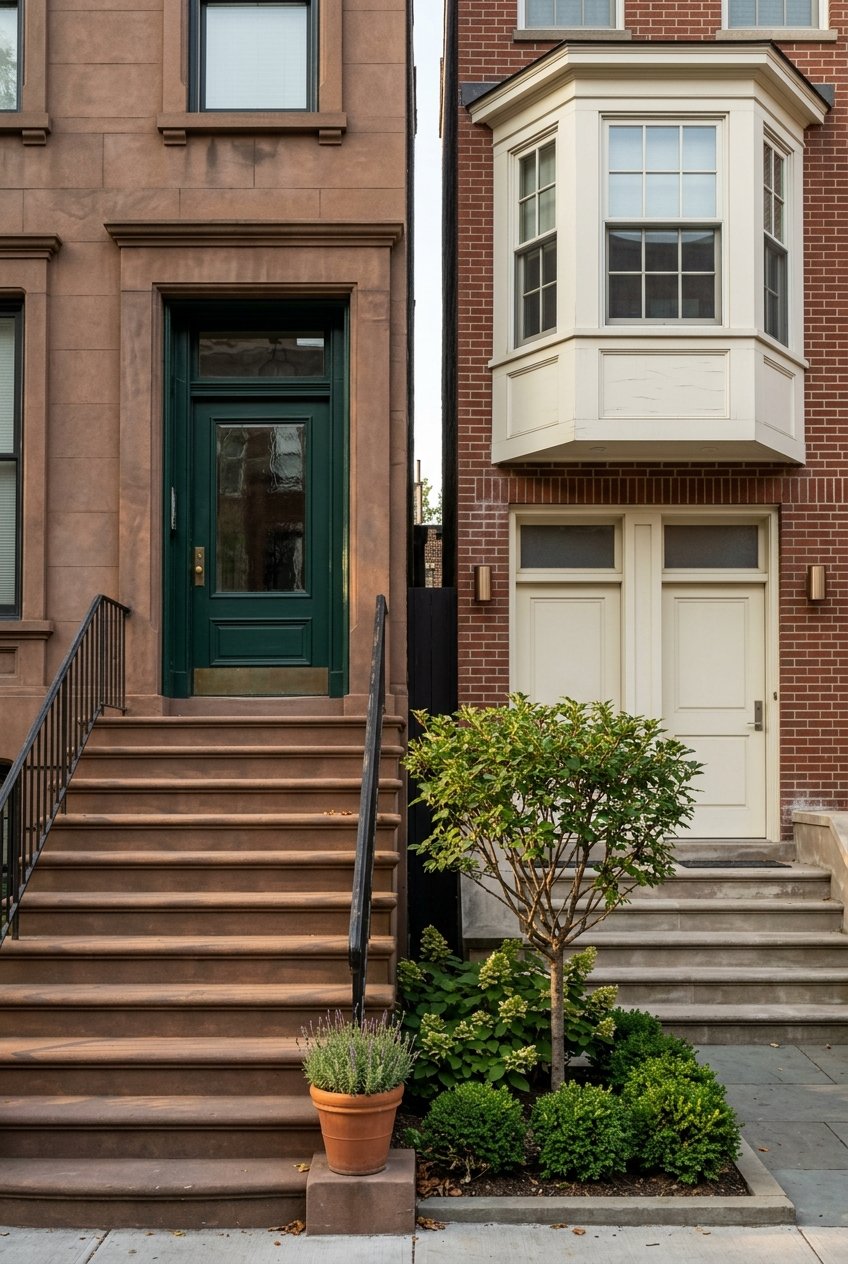
Park Slope is closely tied to Prospect Park and is widely known for its historic brownstones and brownstone-era detail. Much of the housing stock dates to the 19th century, and many homes feature ornate carved woodwork and other original architectural elements. The Park Slope Historic District was designated in 1973, which adds another layer of importance for sellers whose properties fall within landmarked areas.
That character is a major selling point, but it also raises buyer expectations. In this market, buyers are often looking at both beauty and substance. They want to see charm, but they also want clarity on condition, systems, layout, and any work that has been done over time.
Recent market data points to a market that is competitive, but not careless. Over the three months ending April 2026, Park Slope’s median sale price was $1,749,350, average days on market were 49, the sale-to-list ratio was 100.0%, 5.7% of homes sold above list price, and 25.1% had price drops.
For townhouses specifically, there were 11 townhouses for sale at a median listing price of $2.25 million. These homes typically spent about 34 days on market and received 2 offers. That tells you buyers are active, but they are also comparing options closely.
The takeaway is simple: you cannot rely on neighborhood demand alone. In a market where some homes sell cleanly and others need price reductions, your brownstone has to be positioned with discipline from day one.
If your brownstone is landmarked or located within the historic district, some work may require approval from the New York City Landmarks Preservation Commission, or LPC. That can include certain exterior changes and some building-related upgrades.
LPC outlines several approval paths depending on the work. A Certificate of No Effect can apply to some DOB-permitted work, including certain interior renovations, plumbing and heating equipment, rooftop mechanical equipment, and ramps. A Permit for Minor Work can cover items like window or door replacement, masonry repair, and restoration of architectural details, while a Certificate of Appropriateness is required for larger changes such as rooftop additions, demolitions, or removing stoops and cornices.
If you are thinking about touching up the exterior before listing, start by confirming what does and does not need review. Some simple maintenance does not require LPC review, such as repainting a door the same color or fixing broken window glass. Still, work that affects protected features often does, so it is smart to sort this out before your listing timeline is underway.
Older homes usually bring more buyer questions, and Park Slope brownstones are no exception. Having records ready can make your listing feel better organized and more trustworthy.
Useful materials may include:
These documents help buyers understand how the home has been maintained. They also help connect the home’s historic character to its current condition, which can reduce hesitation during due diligence.
New York requires a Property Condition Disclosure Statement for residential real property beginning July 1, 2025, using the updated form from the Department of State. For a one- to four-family dwelling used or intended as a home, the form must be delivered before the buyer signs a binding contract of sale. If it is not delivered on time, the buyer receives a $500 credit at closing.
This matters even more with older homes because the form covers issues that often come up in brownstones. That includes roof age, water damage, asbestos, lead plumbing, flooding, basement seepage, foundation defects, and heating or hot-water problems. If you know the condition of these items early, you can decide what to repair, what to document, and what to disclose clearly.
Most pre-1978 housing is also subject to federal lead-based paint disclosure rules. Sellers must disclose known lead-based paint information before the contract is signed, provide any available records, give buyers the lead hazard pamphlet, and allow a 10-day opportunity to inspect or assess unless that period is waived.
Because much of Park Slope’s housing stock is older, this is a routine but important step. Handling it correctly keeps your transaction moving and helps set the right expectations with buyers from the start.
Pricing a Park Slope brownstone is not just about picking a number that sounds strong. It is about understanding how your home compares to the most relevant recent sales and how buyers will weigh your property against current competition.
A practical pricing approach starts with the closest recent townhouse or brownstone sales, then adjusts for the details that matter most in this segment. Those often include:
Current townhouse listings suggest buyers respond strongly to features such as private gardens, roof decks, gut renovations, and preserved prewar detail. That means two brownstones on similar blocks can perform very differently based on presentation, condition, and usability.
In Park Slope’s price ranges, transfer taxes can shape both buyer affordability and your net proceeds. In New York City, the real property transfer tax is 1% up to $500,000 and 1.425% above $500,000 for residential transfers. New York State also imposes a 0.4% real estate transfer tax.
There are additional thresholds that matter in this market. New York State imposes a 1% mansion tax on residential transfers of $1 million or more. In New York City, there is also an additional base tax on residential conveyances of $3 million or more and a supplemental tax on residential conveyances of $2 million or more, with the supplemental rate increasing by price tier.
Since Park Slope townhouse inventory is already clustered in the low-to-mid seven figures, these thresholds can affect how buyers think about monthly costs and total cash needed to close. They can also affect how you think about pricing bands and negotiation strategy.
A Park Slope brownstone usually sells best when the marketing does two things at once. It should highlight the home’s architecture and lifestyle appeal, while also making the layout and condition easy to understand.
Current townhouse listings in the neighborhood often emphasize preserved architectural detail, prewar charm, backyard or roof-deck access, and updated kitchens and baths. Neighborhood descriptions also point to Prospect Park access and the area’s historic character. That suggests buyers are responding to a full picture, not just square footage or finishes.
Your marketing package should make it easy for buyers to understand how your brownstone lives. In many cases, that means leaning into:
This is especially important in a character-driven market. Generic luxury language tends to do less work here than accurate, well-organized information and strong visuals.
Many buyers will form their first opinion online, and they will do it fast. If your listing photographs well, explains the layout clearly, and shows a thoughtful record of care, buyers are more likely to take the next step.
That practical, polished approach also fits what many Park Slope buyers are already looking for. They often want preserved detail, strong light, outdoor space, and a layout that reads clearly both online and in person.
Even in a strong Brooklyn market, sellers can lose momentum when they miss the basics. Brownstones are high-interest properties, but they are also high-scrutiny properties.
Some of the most common missteps include:
The good news is that each of these issues can be addressed before your home hits the market. With the right plan, you can reduce friction and present your brownstone in a way that feels both compelling and credible.
No two Park Slope brownstones are exactly alike. Original detail, width, configuration, outdoor space, renovation history, and legal use can all change how buyers respond and how the market values your home.
That is why a smart sale strategy starts with your specific property, not a neighborhood headline. When you combine local comparables, careful prep, and clear presentation, you give your home the best chance to stand out for the right reasons.
If you are thinking about selling a Park Slope brownstone, the best first step is a grounded plan based on your home’s condition, features, and likely buyer pool. The team at Revived Residential brings Brooklyn-first market knowledge, thoughtful presentation, and practical guidance to help you prepare, price, and launch with confidence.
Stay up to date on the latest real estate trends.
We are friendly, easy to talk to, and easy to understand. We’re not intimidating or judgmental — so clients from all walks of life feel comfortable talking to us about their real estate needs and concerns. Our messaging is warm, sincere, and familiar. We’re not money-driven.
Phone: (917) 459-7681
Email: [email protected]
Phone: (929) 379-3750
Email: [email protected]
2124 Flatbush Avenue
Brooklyn NY 11234
426 4th Avenue
Brooklyn NY 11215